

Sprinkler Problems in Corinth and What They Really Mean
You’ve noticed something wrong with your irrigation system but aren’t sure what it means. Maybe one zone runs but barely produces any water. Perhaps you hear a hissing sound near your backflow preventer, or you’ve spotted a wet area in your yard that stays soggy even when the sprinklers haven’t run in days.
These symptoms tell a story, and after 70+ years of Corinth sprinkler repair, we’ve learned to decode what your system is trying to say.
Most Corinth homeowners assume certain things about irrigation problems that aren’t always true. When zones won’t activate, they think the controller is broken. When water pressure drops, they assume it’s a city issue. When sprinkler heads leak, they replace those individual heads.
Sometimes they’re right, but often the actual problem lies somewhere else. Fixing what you think is wrong wastes money and doesn’t solve the issue. That wet spot that won’t dry out is likely caused by a cracked underground pipe or a leaking valve.
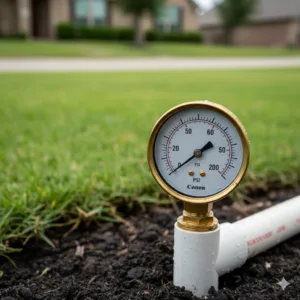
Low pressure in one zone could mean a partially closed valve, mineral buildup, or a leak diverting pressure elsewhere. Accurate diagnosis matters, guessing doesn’t.
Sprinkler Repairs That Target the Real Problem
When a zone won’t turn on, most homeowners assume they need a new valve. Sometimes that’s true, but across thousands of Corinth sprinkler repair calls, we’ve found electrical issues to be far more common. It could be a failed solenoid, a broken underground wire, or a controller output problem. Replacing a valve that isn’t bad won’t fix anything.
If a zone runs continuously, it’s rarely the controller. The valve is usually stuck open, either because the diaphragm has failed, debris is blocking closure, or the valve mechanism is simply worn out. Water pressure problems confuse homeowners the most. Low pressure across the entire system may mean a partially closed main valve, a failing backflow preventer, or a major leak. Low pressure in one zone usually means a restriction or leak specific to that zone. Diagnosis takes testing, not guessing.
The Results Our Clients Are Talking About
Recent Jobs and Reviews in Corinth, TX
Corinth, TX at a glance
American Sprinkler Repair has completed 25 jobs in Corinth, TX between March 2026 and September 2026.
The 15 customer reviews shown here average 4.9 out of 5.
The most recent job was on September 14, 2026.
Job Locations and Reviews

Tested system, replaced 3 spray heads that were broken, adjusted with proper height and nozzle, set stations for proper watering times, customer stated that she waters manually, tested station 5 multiple times, every time station 5 came on at full blast, found no issues with station 5, cleaned up couple of clogged nozzles, checked and adjusted entire system with 5 stations.
Located and repaired cut wire to zone 6 that was damage per tree roots, dug up, repaired and buried 3/4” lateral line leak on zone 3 under fence post in black yard by corner of fence, checked stations 3 and 6.
Dug up, repaired and buried main line leak in side yard that was leaking constantly into neighbor side and could have cause an increment in water bill, checked water meter after repairs, water meter still shows movement but is consistent with auto pool fill, advised customer to check water meter after pool is completely full.
Tested system, replaced two 1” valves on zones 5 and 6 that were not coming on and showing fuse at controller, replaced 6 spray heads that were not popping up/leaking, which one of them was provided per customer, adjusted with proper height and nozzle, checked and adjusted entire system with 12 stations.
Replaced one broken head on zone 3 that was damage per lawn guys, reconnected micro spray head behind pool, checked entire system with 7 stations.
Replaced 6 broken heads on zones 6 and 7, adjusted with proper height and nozzle, checked only stations 6 and 7 per customer.
Tested system, replaced faulty wire to zone 2 that was making station to come on at random times, checked entire system with 9 stations.
Replaced 1” valve on zone 2 that was not coming on and showing error on controller.
Located and repaired cut wires to zones 1-5, capped off two spray heads on zone 1 that were no longer needed, checked and adjusted entire system with 6 stations.
I’ve used American Sprinkler for years. Eric has been the guy doing 99% of all work. Always professional, on time, and thorough. Always quality work.
Rebuilt 1” master valve that was not coming on, tested system, checked and adjusted entire system with 11 stations.
Repaired drip line leak on zone 9, tested system, cleaned up couple of clogged nozzles, adjusted spray heads and rotary heads to water in right direction, checked and adjusted entire system with 9 stations.
Tested system, replaced one broken head on zone 2, adjusted with proper height and nozzle, cleaned out couple of clogged nozzles, marked all heads along side fence for new drain install, checked and adjusted entire system with 9 stations.
Polite, efficient, competent and fair. Eric represents your company well.
Tested system, dug up, repaired and buried 1/2” lateral line leak on zone 3, replaced 6 rotary heads and 3 spray heads that were not working/broken, adjusted with proper height and nozzle, cleaned up couple of clogged nozzles, adjusted spray heads and rotary heads to water in right direction, checked and adjusted entire system with 8 stations.
Turned sprinkler water back on, tested system, dug up, repaired and buried 1” and 3/4” lateral line leaks on zones 7 and 5 respectively, replaced 5 broken heads, adjusted with proper height and nozzle, checked water meter for water usage, there’s an extremely small leak on sprinkler side, not able to find leak, advised customer to call a leak detection company to find irrigation leak, water leak might related to automatic pool fill, reset controller for proper watering schedule, checked and adjusted entire system with 7 stations.
The work was week done quickly and done well. Great customer service and the technician was so nice and explained the issue. Love the service and well priced.

Customer had broken head. Replaced head on station 6, added a MP rotator nozzle as station is a rotor station, and raised it with a 24 inch nipple. Tested system before handoff.
Customer had leak on station 5. Fixed leak on station 5 and checked system. System had clogged heads and nozzles so fixed those and retested stations before handoff.
Customer had leak on station 5. Fixed leak on station 5 and checked system. System had clogged heads and nozzles so fixed those and retested stations before handoff.
Customer had station 1 stuck open. Station 1 valve had multiple points of failure so had to cut and replace valve with RB. Checked system. Mapped out all 6 valves to the controller
Ran new wire to zones 8 and 9 due multiple wire issues in front yard, checked and adjusted stations 8 and 9.
Rebuilt 1” valve on zone 8 that was shorted out and not coming on.
Replaced faulty controller, set controller for proper watering schedule, checked and adjusted entire system with 8 stations.
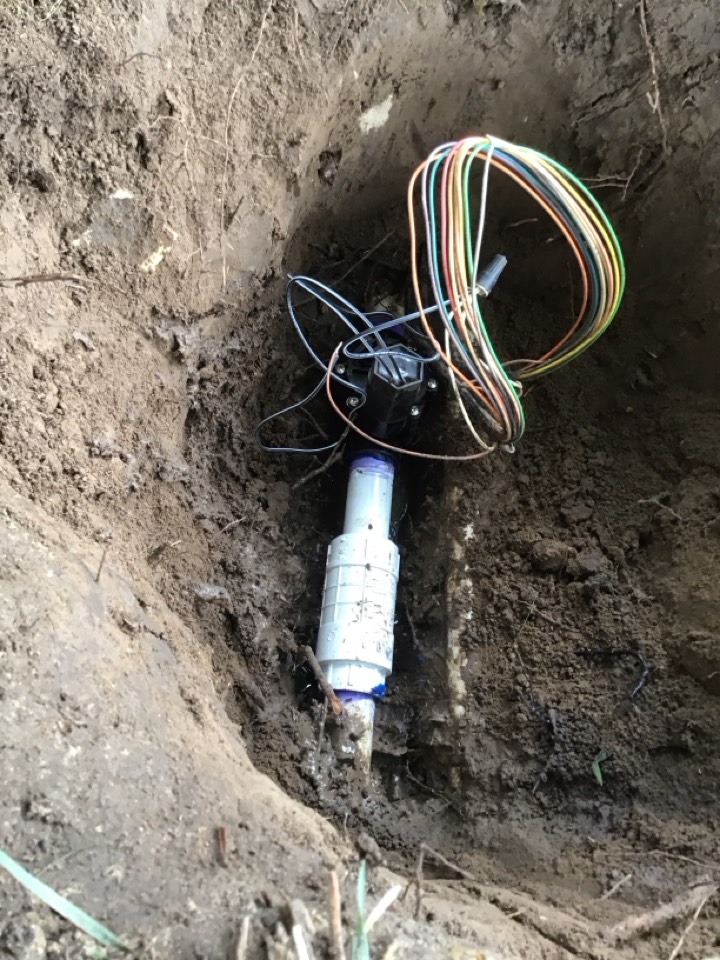
Replacing a rain bird valve
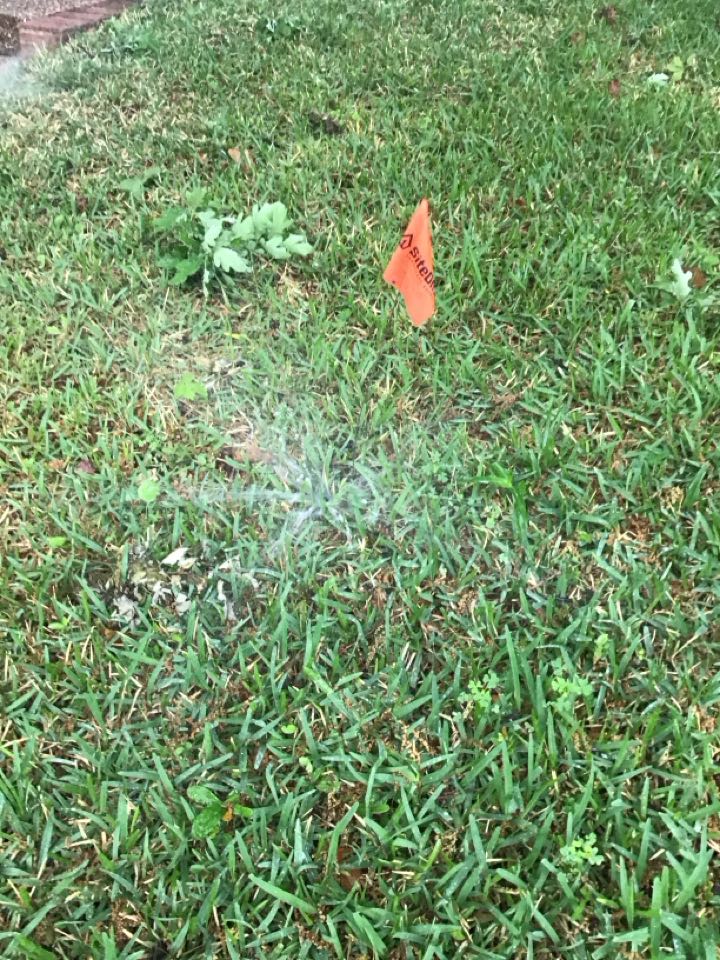
Replacing a sticky spray head on a rain bird system
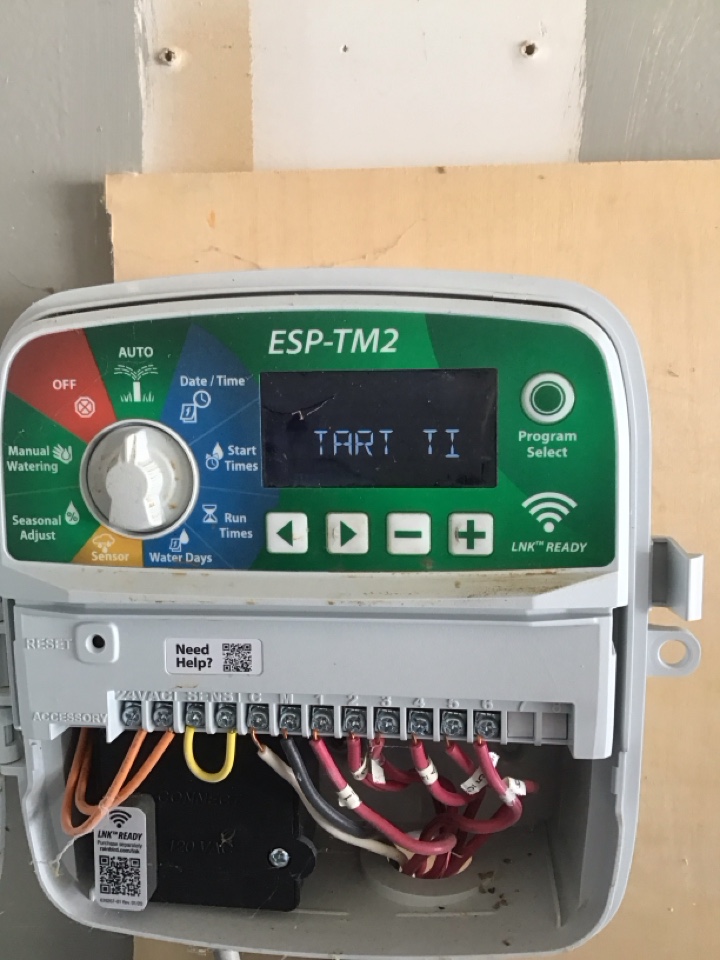
Checking this rain bird controller
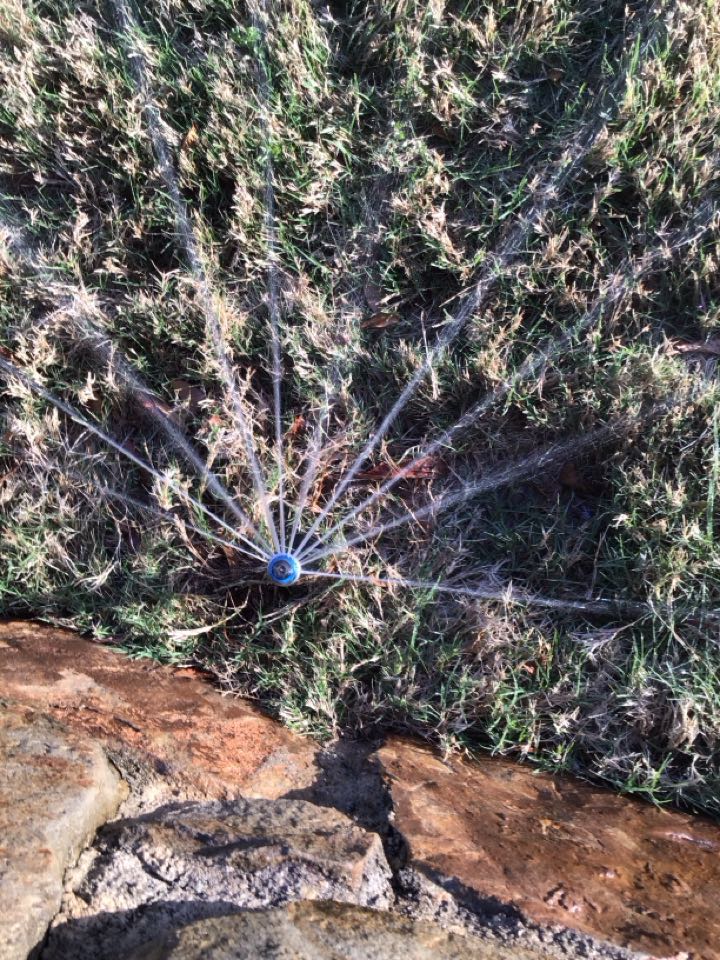
Adjusting an mp rotator nozzle on a rain bird system
Excellent Service
I will definitely use American Sprinkler Repair for any issues I may have with my sprinkler system. Eric was here on time and completed the work very quickly and made sure all was working properly before leaving.
Keith was great: on time, efficient, courteous, and thorough. Excellent service!
Excellent Service
Great Service
Awesome service as always
Our tech, Keith, was thorough, courteous, and efficient. Problem was identified and resolved quickly. Highly recommend!
Great Service
Best Sprinkler service I've found.
Good Service
Fast and very professional
na
Why Corinth Sprinkler Systems Develop These Issues
Corinth’s clay-heavy soil expands when wet and contracts when dry, stressing buried PVC pipes until fittings crack or joints separate. These failures don’t always flood your yard. Often they cause subtle symptoms like gradual pressure loss or small soggy areas that develop slowly over time.
We work on systems ranging from decades-old setups to modern installations. Older systems use valves and controllers that are no longer made,
which means we integrate new parts carefully with older equipment. Newer systems sometimes show flaws years later because of rushed or careless installation. Our long experience across multiple generations of irrigation equipment helps us handle both effectively.
Water quality also plays a role. Minerals in Corinth’s water build up inside valves, restrict flow, and wear down diaphragms. Controllers exposed to intense sunlight, winter freezes, and spring storms gradually fail over time. These problems develop slowly, but they always add up.
Accurate Corinth Sprinkler Repair and Honest Diagnosis
When your Corinth irrigation system isn’t working right, call us. Tell us what’s happening, and we’ll ask questions that help narrow down the cause before we arrive. Our licensed technicians specialize exclusively in sprinkler repair and carry diagnostic tools that pinpoint issues accurately instead of guessing.
We’ve provided Corinth sprinkler repair for decades, and we know what typically goes wrong in this area. Whether it’s a valve failure, broken sprinkler head, pipe leak, controller malfunction, or a backflow preventer issue, we diagnose it correctly and fix it properly. Call us for irrigation repair done right the first time, by professionals who understand what your system’s symptoms truly mean.